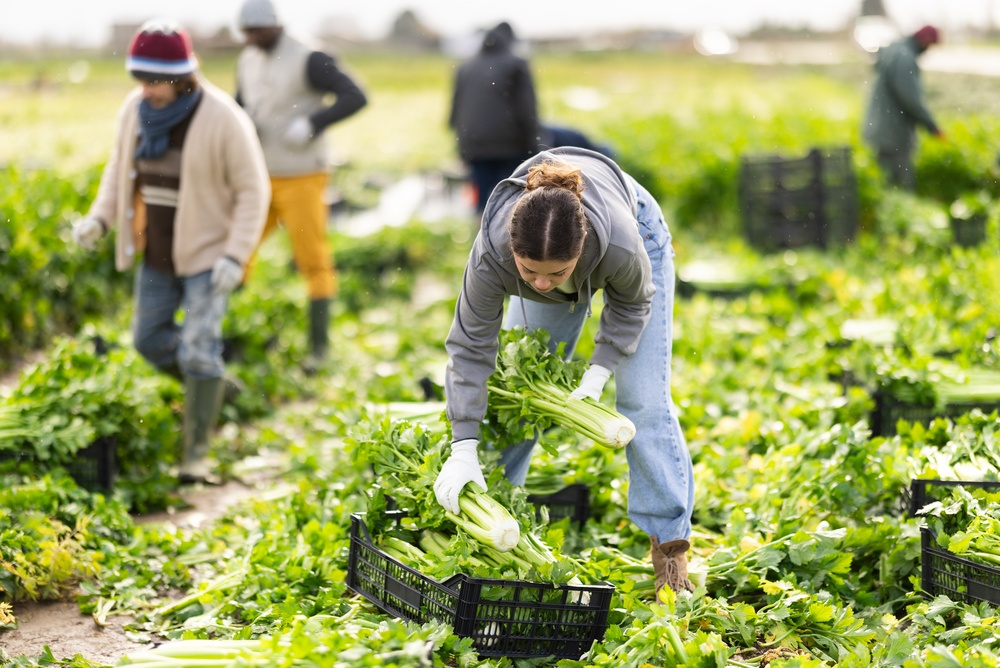
 Seasonal agricultural labor shortages can put planting, cultivation, harvesting, packing, and livestock work at risk when domestic hiring does not produce enough available workers. The H-2A visa gives U.S. agricultural employers a legal path to hire foreign nationals for temporary or seasonal farm labor when they can meet federal program rules.
For growers, farm owners, agricultural associations, and labor contractors, H-2A hiring must be planned, documented, and filed in the right order. Esani & Momin helps employers and individual clients connect immigration planning with business needs from its Sugar Land office.
Employers that need H-2A support should review the job need, timing, recruitment plan, housing, wages, and filing schedule before the season is under pressure. For legal planning tied to agricultural staffing, immigration filings, and business operations, contact us today to discuss the next step.
What the H-2A Visa Does
The H-2A program allows U.S. employers or U.S. agents that meet regulatory requirements to bring foreign nationals to the United States for temporary agricultural work. USCIS describes the classification as one for temporary or seasonal agricultural jobs, while the U.S. Department of Labor requires employers to complete labor certification steps before the USCIS petition stage. The job must be agricultural, full-time, and temporary or seasonal rather than a standing year-round role.
This visa is employer-driven. Workers do not create the case on their own first. The employer must prove the need, offer proper job terms, recruit U.S. workers as required, and obtain temporary labor certification. A company that wants to reduce preventable delays should have the job need, filing schedule, and supporting records reviewed by our H-2A visa attorney before the season is under pressure.
When an Agricultural Job May Qualify
A qualifying job usually ties to a season, crop cycle, livestock cycle, planting window, harvest period, or other recurring agricultural demand. Common examples include fruit picking, vegetable harvesting, planting, pruning, farm equipment operation connected to crop production, and certain livestock work. The employer must show that the labor need is temporary or seasonal, not permanent.
Job terms also matter. The role must be full-time, and the employer must comply with required wage, housing, transportation, and recruitment rules. If a business has mixed farming, packing, distribution, and retail sales operations, the job description should clearly separate qualifying agricultural duties from tasks that could create eligibility issues. That review is one reason employers often work with our business immigration attorney.
The Process Starts With Labor Certification
Before filing the petition with USCIS, the employer must usually obtain temporary labor certification from the Department of Labor. This step is meant to show that there are not enough able, willing, qualified, and available U.S. workers for the job and that H-2A hiring will not adversely affect wages and working conditions of similar U.S. workers.
The Department of Labor’s H-2A rules require recruitment of U.S. workers through the proper process, and the employer must offer U.S. workers terms and working conditions that are no less favorable than those offered to H-2A workers. The employer must also keep accepting qualified and eligible U.S. workers for a defined part of the contract period. Proper recruitment records, job order accuracy, and deadline tracking can support review by our immigration attorney.
Filing the USCIS Petition
After labor certification, the employer generally files the H-2A petition with USCIS. The filing asks USCIS to classify the named or unnamed beneficiaries as H-2A temporary agricultural workers. USCIS instructions confirm that a U.S. employer may file for this classification through Form I-129 and related H-2A petition materials.
This stage must match the labor certification. Dates, job duties, worksites, employer names, worker counts, and supporting documents should be consistent. A mismatch can slow the case or lead to a request for more evidence. Employers can learn more about the firm’s immigration work through our Immigration Law page, especially when timing affects a season. Petition preparation may be easier with our immigration lawyer involved before assembly.
Employer Duties During the Contract Period
The H-2A program is not just a visa filing. It is also a compliance system. Employers must follow wage rules, provide required housing when applicable, offer transportation or reimbursement as required, keep payroll records, and maintain the job terms stated in the approved labor certification. The Department of Labor states that H-2A workers must receive special pay rates that vary by locality, and employers must provide safe and clean housing and safe transportation when the rules apply.
One important rule is the three-fourths guarantee. USDA’s farmer resource page explains that employers must guarantee work hours equal to at least 75 percent of the workdays in the contract period. That obligation can affect budgeting, staffing, and crop planning. Treating the visa filing as separate from operations can create avoidable risk, which is why review by our employment immigration attorney can be valuable.
Why Timing Controls the Case
Agricultural employers work against real deadlines. Crops do not wait for missing forms, corrections, recruitment errors, or late consular appointments. H-2A planning should begin well before the workers are needed so the job order, labor certification, USCIS petition, and visa processing can move in sequence.
Timing also affects business decisions outside immigration. A start-up farm, family agricultural company, or larger producer may need to coordinate contracts, payroll systems, housing vendors, transportation providers, and crew scheduling. Esani & Momin works with corporate clients ranging from start-ups to publicly traded companies, as well as individual clients across the United States. Employers with multi-state work needs or related corporate questions may also need guidance from our business immigration lawyer.
Common Mistakes That Can Disrupt H-2A Hiring
Some H-2A problems begin with the job description. If duties are vague, mixed with non-agricultural work, or inconsistent across filings, the employer may create questions that could have been resolved earlier. Other mistakes involve underestimating wage obligations, missing recruitment steps, failing to document U.S. worker contact, or assuming that prior approval guarantees the next case will be approved.
Another common problem is waiting too long to start. Employers sometimes begin only after domestic hiring fails, but the federal process has multiple stages. A late start can leave a business with no legal workers when the season begins. Strong planning means the employer knows who is responsible for each task, what records must be kept, and when each filing should be ready.
How Legal Guidance Supports Agricultural Employers
H-2A cases sit at the intersection of immigration law, labor certification rules, employer compliance, and business planning. Legal guidance can help employers evaluate whether the role fits the program, prepare the filing sequence, review job order language, address corporate structure questions, and identify issues before the government does. For businesses with repeat seasonal needs, legal planning can also create a more reliable annual process.
The firm’s broader work in immigration and business transactions can help employers whose workforce plans connect to company formation, real estate, or trademark concerns. Agricultural employers may also review attorney backgrounds through the Attorneys page or learn more through the About page.
Build a Lawful Seasonal Workforce
The H-2A visa can be a practical staffing tool when an agricultural employer has a genuine temporary or seasonal labor need and is ready to meet the program’s wage, recruitment, housing, transportation, and filing duties. A legal hiring plan gives the business a clearer path from labor shortage to authorized work, while reducing the chance that paperwork problems interrupt the season. Esani & Momin helps employers connect immigration filings with real business demands in Sugar Land, Houston, and beyond, including companies with operations across the United States. To review H-2A options, employer obligations, or related business immigration needs, contact us today.